Home Inspection Duration Guide: What to Expect When Scheduling Your Inspection
- Batch HomeInspections
- Apr 28
- 4 min read

When you're buying or selling a home, one of the most important steps is the home inspection. It’s your chance to get a clear picture of the property’s condition before making a big financial commitment. But a common question I hear is: how long does a home inspection take? Understanding the time involved can help you plan better and reduce stress on inspection day.
In this guide, I’ll walk you through everything you need to know about home inspection durations. From what affects the length of the inspection to when you’ll get the results, I’ll share practical insights based on experience. Let’s dive in.
What Affects the Home Inspection Duration? A Simple Guide
The length of a home inspection isn’t set in stone. Several factors influence how long the inspector will spend at the property. Here are the main ones:
Size of the Home: Larger homes naturally take longer to inspect. A small condo might take just an hour, while a sprawling house with multiple levels can take several hours.
Age and Condition: Older homes or those with visible issues require more detailed checks. Inspectors need to spend extra time looking for potential problems.
Type of Inspection: Some inspections are basic, covering only major systems like plumbing, electrical, and roofing. Others are more comprehensive, including things like radon testing or mold inspection.
Accessibility: If parts of the home are hard to reach, like attics or crawl spaces, the inspector might need more time or special equipment.
Weather Conditions: Bad weather can slow down the process, especially if the inspector needs to check the roof or exterior.
On average, a typical home inspection lasts between 2 to 4 hours. But keep in mind, this is just the on-site time. The full process includes preparing the report and delivering it to you.
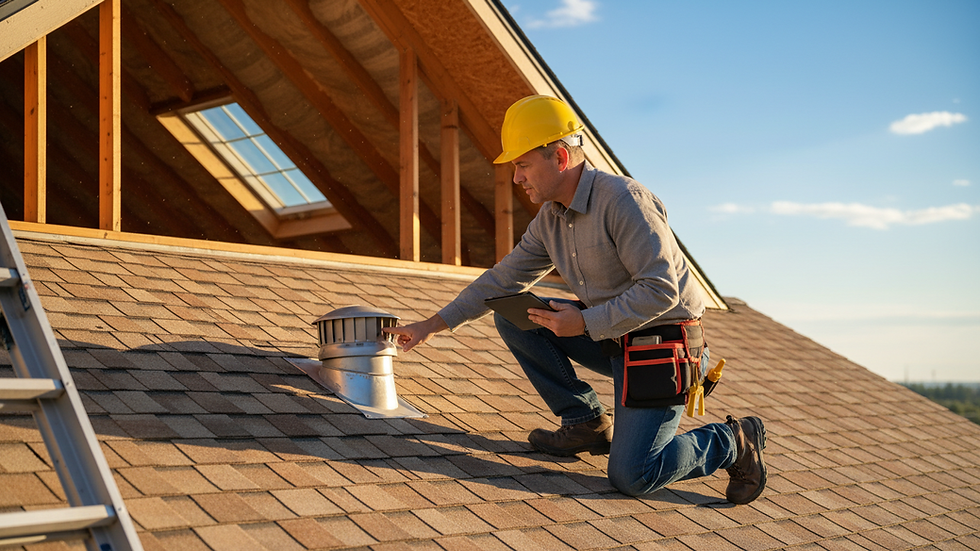
Home Inspection Duration Guide: What Happens During the Inspection?
Knowing what the inspector does during the visit helps you understand why it takes time. Here’s a breakdown of the typical steps:
Exterior Inspection
The inspector starts outside, checking the foundation, siding, roof, gutters, and drainage. They look for cracks, water damage, and other signs of wear.
Interior Inspection
Inside, the inspector examines walls, ceilings, floors, windows, and doors. They test electrical outlets, light switches, and plumbing fixtures.
Systems Check
Major systems like HVAC, electrical panels, water heaters, and appliances are tested to ensure they work properly.
Attic and Crawl Space
These areas are inspected for insulation, ventilation, pests, and structural issues.
Detailed Notes and Photos
Throughout the inspection, the inspector takes notes and photos to document findings.
This thorough process explains why inspections take a few hours. Rushing through it risks missing important details.
How long does it usually take to get the results of a home inspection?
After the on-site inspection, the inspector compiles a detailed report. This report includes:
A summary of major issues
Photos highlighting problem areas
Recommendations for repairs or further evaluation
Typically, you can expect to receive the report within 24 to 48 hours. Some inspectors provide digital reports faster, sometimes even the same day. It’s important to review the report carefully and ask questions if anything is unclear.
Getting the report promptly helps you make informed decisions about your purchase or sale without unnecessary delays.

Tips to Make Your Home Inspection Go Smoothly and Efficiently
To get the most out of your home inspection and keep things on schedule, here are some practical tips:
Be Present During the Inspection
Walking through the home with the inspector lets you see issues firsthand and ask questions on the spot.
Prepare the Home
Make sure utilities are on, and clear access to attics, basements, and electrical panels. This saves time and avoids delays.
Communicate Special Concerns
If you have specific worries, like a history of mold or foundation problems, tell the inspector beforehand.
Schedule Wisely
Avoid scheduling inspections during bad weather or holidays when inspectors might be booked or rushed.
Review the Report Promptly
Once you get the report, read it carefully and discuss any concerns with your real estate agent or contractor.
Following these steps helps ensure the inspection is thorough and efficient, giving you peace of mind.
Why Understanding Home Inspection Duration Matters for Your Next Move
Knowing what to expect about home inspection durations helps you plan your home buying or selling timeline better. It reduces surprises and lets you coordinate with your real estate agent, lender, and other parties involved.
If you’re wondering how long does a home inspection take, remember it’s not just about the hours spent on-site. The full process includes preparation, inspection, and report delivery.
By understanding this, you can avoid rushing decisions and ensure you get a thorough, expert-backed assessment of the property. This knowledge protects you from costly surprises down the road and helps you move forward confidently.
If you’re in West Tennessee and want a trusted, detailed home inspection, make sure to choose a service that values thoroughness and clear communication. Your home is one of your biggest investments - it deserves nothing less.


Comments